Sustain and Stimulate
Kalihi is special because it has never lost touch with its roots. It’s true that the community has grown and changed over the decades, but the people who call Kalihi home are a special kind of kamaʻāina.
Kalihi’s future depends on our ability to sustain its character and stimulate new community-centered growth that uplifts everyone. Sustainability means protecting the values, people, and places that define Kalihi — its working families, cultural roots, and sense of belonging. Stimulation means creating the conditions for progress — new opportunities, modern systemic infrastructure, and a stronger local economy that benefits those who live here.
To achieve this balance, my platform focuses on five key areas:
Quality Education
Quality Health Care
Safe, Affordable Neighborhoods
Strong Communities
Economic Opportunity
5 Pillars
-
Sustain: Reinforce public education with better support for teachers, stronger safety measures in and around schools, and improved school infrastructure.
Stimulate: Expand educational opportunity by investing in universal, nutritious school lunches and creating pathways that connect Kalihi students to careers in trades, technology, and higher education.
-
Sustain: Strengthen Kalihi’s two federally qualified health centers (FQHCs) and their four clinics that serve our families, ensuring stable funding and community partnership.
Stimulate: Expand outreach for immigrant and working-class families facing barriers to care, and coordinate social services to address root causes of poor health such as poverty, housing insecurity, and environmental stressors.
-
Sustain: Keep Kalihi’s working families housed and prevent displacement by strengthening access to affordable rentals, public housing, and community-driven development.
Stimulate: Support new housing models, mixed-use projects, and pathways for homeownership that prioritize residents.
-
Sustain: Honor Kalihi’s strong character by recognizing that families don’t just live here — they make it home, shaping the culture, relationships, and dynamic offerings that define the community.
Stimulate: Invest in programs that strengthen community connections and resilience, supporting community-centered growth that empowers residents to lead, adapt, and thrive together.
-
Sustain: Protect and empower small businesses while ensuring that development benefits existing residents and not just outside investors.
Stimulate: Foster job creation through partnerships with industry, improved workforce training, and targeted investments in communities that have historically been left behind.
Cross-Cutting Priorities
The five key areas of focus in my platform intersect with many other challenges faced in our community, and they deserve special attention.
-
Kalihi is no stranger to these challenges — we see them every day in our neighborhoods. We must expand access to social support programs, strengthen coordination among community organizations, and invest in real, lasting solutions to address homelessness.
Everyone deserves a place to call home. Together, we can create pathways that move people from the streets to stability — with compassion, coordination, and community-driven action.
-
As a candidate whose ʻŌiwi roots are central to my identity, I carry this priority into everything I do. Native Hawaiian issues must be considered across all areas of policy, from housing and education to economic opportunity. These challenges are deeply connected to the broader needs of our entire community, and addressing them strengthens Kalihi as a whole.
Honoring our ʻŌiwi heritage isn’t just about one community — it’s about preserving the values, resilience, and knowledge that make Kalihi strong for everyone.
-
Kalihi’s strength comes from its people — a vibrant community representing many nations, languages, and backgrounds. Our immigrant communities, in particular, have unique needs and fewer opportunities to have their voices heard. As your representative, I’ll make sure that every community — including those who cannot vote — has a seat at the table. We move forward only when all of Kalihi’s voices are part of the conversation.
-
Federal funding is no longer a reliable source of program sustainability. How will we maintain the programs that keep our communities afloat? How will we adapt to shifting federal priorities? We must create a consulting process to help state agencies identify new funding opportunities that directly serve our district, and we must bring all stakeholders together to address these challenges collaboratively.
By doing this, we can sustain the programs that our families rely on while stimulating new opportunities that strengthen Kalihi’s future.
Where I Stand on Specific Issues
-
As a graduate of the Kamehameha Schools, I am an ardent supporter of the Kamehameha Schools admissions policy. I strongly believe in the need for programs and institutions that serve Kānaka ʻŌiwi to correct historical injustices that have left our people disadvantaged, dispossessed of ancestral land, and disconnected from our history. As a state representative, I will use my influence and legislative power to its fullest extent to defend Pauahi’s legacy. As a proud alumnus, I see that as my kuleana.
-
I strongly support public education because it is the backbone of our communities. The greatest contributor to social mobility, economic security, and better quality of life is education. Our students deserve a safe and fruitful learning environment, and they deserve better facilities. The better the learning experience for students, the better they can participate in their communities. So, investing in our public schools is an investment in Hawaiʻi and our future.
Teachers are the conduit for this essential service and, as such, deserve better compensation and improved working conditions. As the child of a public school teacher, I know the kinds of sacrifices teachers and their families make in service to their students and the pursuit of their own dreams to become teachers. I deeply respect those sacrifices and honor those made by own father by supporting public education.
-
I am a proud vocal supporter of organized labor. A member of the working class myself, I understand the struggle to survive here. Organized labor is the only way to ensure workers are compensated fairly, especially when those jobs are dangerous, high-stress, and skilled practice. Unions defend the average person in their membership, but they also set a higher standard for all of labor whether we’re union members or not.
“Right to work” is a veiled attempt corporations (and corporation-backed politicians) make to control the conditions of their employees which ultimately leads to exploitation. As a state representative I will not only advocate relentlessly on behalf of workers and unions, I will use my own skills and platform to effectuate meaningful change. I will adamantly refuse to support any effort to pass “right-to-work” legislation.
-
While I do not qualify for DHHL myself, I strongly support the program because it is an essential part of establishing some form of ea. Kānaka must have self-determination and a level of agency to exercise freely in Hawaiʻi that has been denied for too long. I support preserving the intent of Hawaiian Homes while expanding eligibility criteria to all Kānaka ʻŌiwi.
-
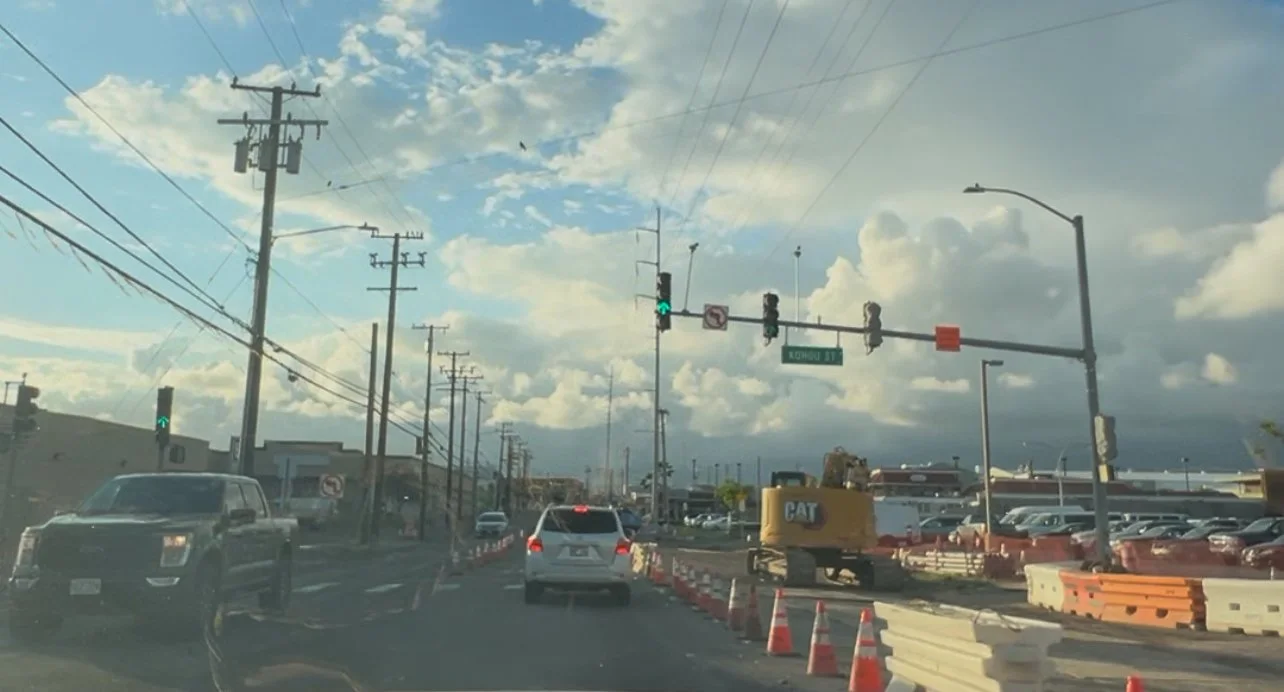
I didn’t support the rail back in 2008, but I accept that it’s here to stay and I can appreciate its utility and benefit. However, it’s causing significant disruption to my district. The rail is the jurisdiction of the City & County of Honolulu, but my community needs support from multiple levels of government working in concert to ensure they are taken seriously. I will organize community efforts to maintain a working relationship with key players at the City and in HART to center community voices.
-
I support responsible development that centers community-based resource management. My district is ultra developed and requires a level of maintenance and investment to sustain itself that is different from more rural communities. Having grown up in a rural community, though, I understand the different needs our communities have in a way most representatives don’t. I do not support rezoning of rural spaces, I do not support development of wahi pana and sacred spaces, and I believe communities have a right to refuse development when they are opposed to a project. Proper community outreach ahead of any project can help to avoid these headaches and conflicts.